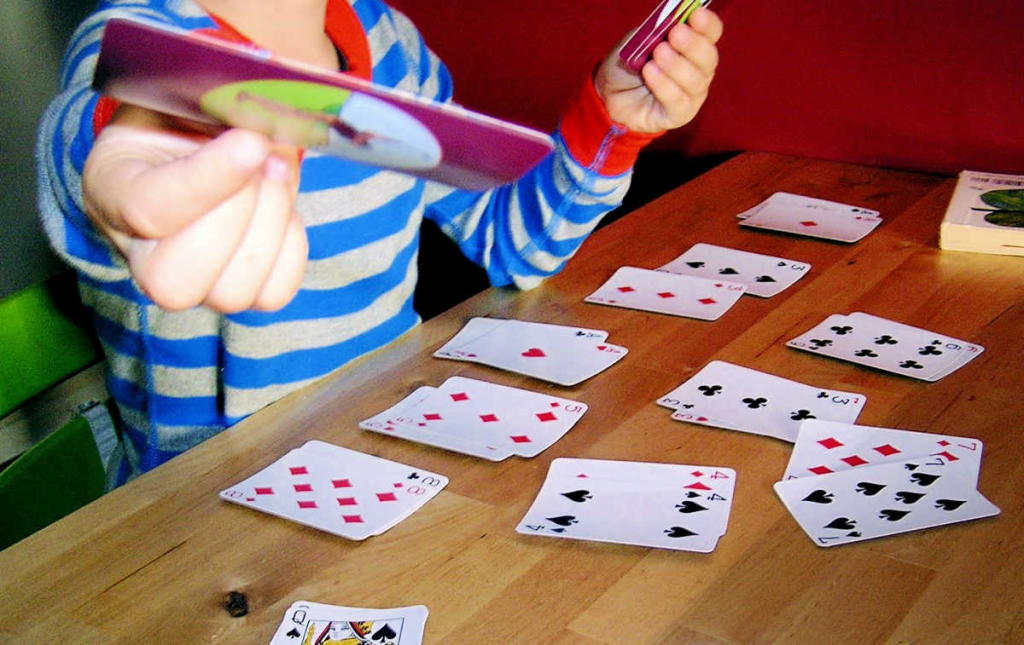
“Go Fish” is one of the most well-known and Freecreditmalaysia99 easy-to-learn card games, making it perfect for young children. Whether you’re a parent, grandparent, or teacher, Go Fish is a fantastic game to introduce kids to the world of card games, strategy, and social interaction. It’s simple enough for younger children to grasp while still offering fun and excitement for everyone involved.
In this blog post, we’ll walk you through how to teach kids how to play Go Fish, break down the rules, and offer some tips to help make the game even more enjoyable for everyone.
What is Go Fish?
Go Fish is a classic card game that involves asking other players for cards in an attempt to collect as many sets of four matching cards as possible. Players take turns asking other players for specific cards, and if the other player has the card, they must give it to the asking player. If the other player doesn’t have the card, they say “Go Fish,” and the asking player must draw a card from the deck. The goal is to collect all four cards of the same rank, like four Jacks, four 10s, or four Kings.
Setting Up the Game
Before you start teaching the game, let’s go over the basic setup:
- Players:
Go Fish is typically played with 2 to 6 players, but the game can accommodate even more with multiple decks. - Deck of Cards:
You’ll need a standard deck of 52 playing cards. The deck can be either the traditional deck or a themed version, which might be more appealing to kids (think cartoons or animals). The cards should be shuffled before play. - Dealing the Cards:
Each player is dealt a number of cards depending on the number of players:
2-3 players: Deal 7 cards to each player.
4 or more players: Deal 5 cards to each player.
The remaining cards are placed face down in a pile in the center. This pile is called the “fish pond,” and players will draw cards from it when necessary.
How to Play Go Fish
Go Fish is a very simple game to learn, but it requires listening, memory, and patience—skills that are great for kids to develop. Here’s how to teach them to play:
- Taking Turns:
The game begins with the first player, who will ask another player for a card. They need to ask for a specific rank of card (e.g., “Do you have any 5s?”). The player must already have at least one card of the rank they’re asking for.
For example, if the player has a 5, they can ask another player, “Do you have any 5s?” If the other player has one or more 5s, they must give all of them to the asking player. The asking player gets another turn if they successfully receive the card they requested.
If the other player does not have the requested card, they say “Go Fish,” and the asking player must draw one card from the fish pond. After drawing, the turn passes to the next player.
- Collecting Sets:
As players collect matching cards, they place the sets of four cards face up in front of them. The goal is to complete sets of four cards of the same rank. For example, if a player collects all four Jacks, they place them in front of them.
The game continues with players taking turns asking for cards, drawing from the fish pond, and collecting sets.
- Winning the Game:
The game ends when all 13 sets of four cards have been collected. The player with the most sets of four cards wins the game.
Basic Rules of Go Fish
To keep the game running smoothly, here are some basic rules to follow:
Only Ask for Cards You Have: A player can only ask another player for a card that they have in their hand. For example, if you have a 3 and a 4, you cannot ask for a 2.
Go Fish if the Other Player Doesn’t Have the Card: If the player does not have the requested card, they must say “Go Fish,” and the asking player draws from the fish pond.
Drawing from the Fish Pond: When a player is told to “Go Fish,” they must draw one card from the central pile. If they draw a card of the rank they asked for, they get another turn. Otherwise, the game continues as normal.
No Cheating: While Go Fish is simple, it’s also important to teach kids the importance of playing fairly and following the rules.
Tips for Teaching Kids Go Fish
Teaching kids how to play Go Fish doesn’t have to be complicated. Here are some helpful tips for making the game enjoyable and easy to learn:
- Keep the Instructions Simple:
When explaining the rules, use simple language and focus on the basics. For example, you can say, “We are going to try to collect all four cards of the same number. You’ll ask other players for cards, and if they have one, they’ll give it to you. If not, they’ll say ‘Go Fish,’ and you’ll pick a card from the middle.” - Use Visuals:
Kids learn best when they can see examples. Show them how to ask for cards by taking a turn yourself. It might be helpful to say something like, “I have a 7, so I’m going to ask if anyone has any 7s.” - Play at Their Pace:
Be patient and let kids take their time. Younger children may need more time to understand the concept of matching cards and remembering who has which ones. Encourage them to think carefully about what card they should ask for next. - Keep It Fun:
Keep the atmosphere lighthearted and fun. If kids are struggling with remembering which cards belong to whom, don’t worry—let them have a few laughs and enjoy the process. The game is meant to be enjoyable and stress-free. - Offer Reinforcement:
Praise kids when they make a good move, whether they successfully collect a card or remember who has what. Positive reinforcement can help them feel more confident and excited about playing. - Make It a Learning Opportunity:
Go Fish can also be a great opportunity to teach kids some basic skills, like counting, pattern recognition, and memory. You can talk about the suits and how they differ or even work on memory recall as players remember which cards they’ve seen in others’ hands. - Keep the Game Short:
If kids are younger, keep the game shorter by dealing fewer cards or limiting the number of sets to collect. This helps to keep their attention and avoid frustration if they’re not able to collect many sets.
Why Go Fish is Great for Kids
Go Fish is an ideal game for kids because it helps to develop important skills, such as:
Memory: Players need to remember which cards have been played and who has what, which is a great exercise for improving memory.
Social Interaction: The game requires communication, turn-taking, and respect for others, which helps children practice social skills.
Critical Thinking: Kids need to think about which cards they should ask for and consider whether they’ve seen a certain card in another player’s hand. This helps with decision-making skills.
Patience and Sportsmanship: Go Fish teaches children the importance of patience, as they may not always get the cards they want. It also encourages good sportsmanship when they lose or don’t win the most sets.
Conclusion: Enjoy Go Fish Together
Go Fish is a timeless card game that provides hours of entertainment for kids and adults alike. It’s easy to learn, encourages social interaction, and helps children build important cognitive skills. By following these simple steps and tips, you can teach kids how to play Go Fish while making the game fun and educational.
 Site Title